Native vs integrated CTI in Salesforce
Native vs integrated CTI comes down to one question: is Salesforce the system of record for your calls, or where a connector drops activity logs?

Blog
WorkDial is a Salesforce-native CTI platform. These are notes from the team building it: architecture, AI call analysis, telephony, and product, written from inside Salesforce.
Every post here traces back to one thing: call data written as native Salesforce records, not synced in from someone else's cloud. Read the architecture.
Native vs integrated CTI comes down to one question: is Salesforce the system of record for your calls, or where a connector drops activity logs?

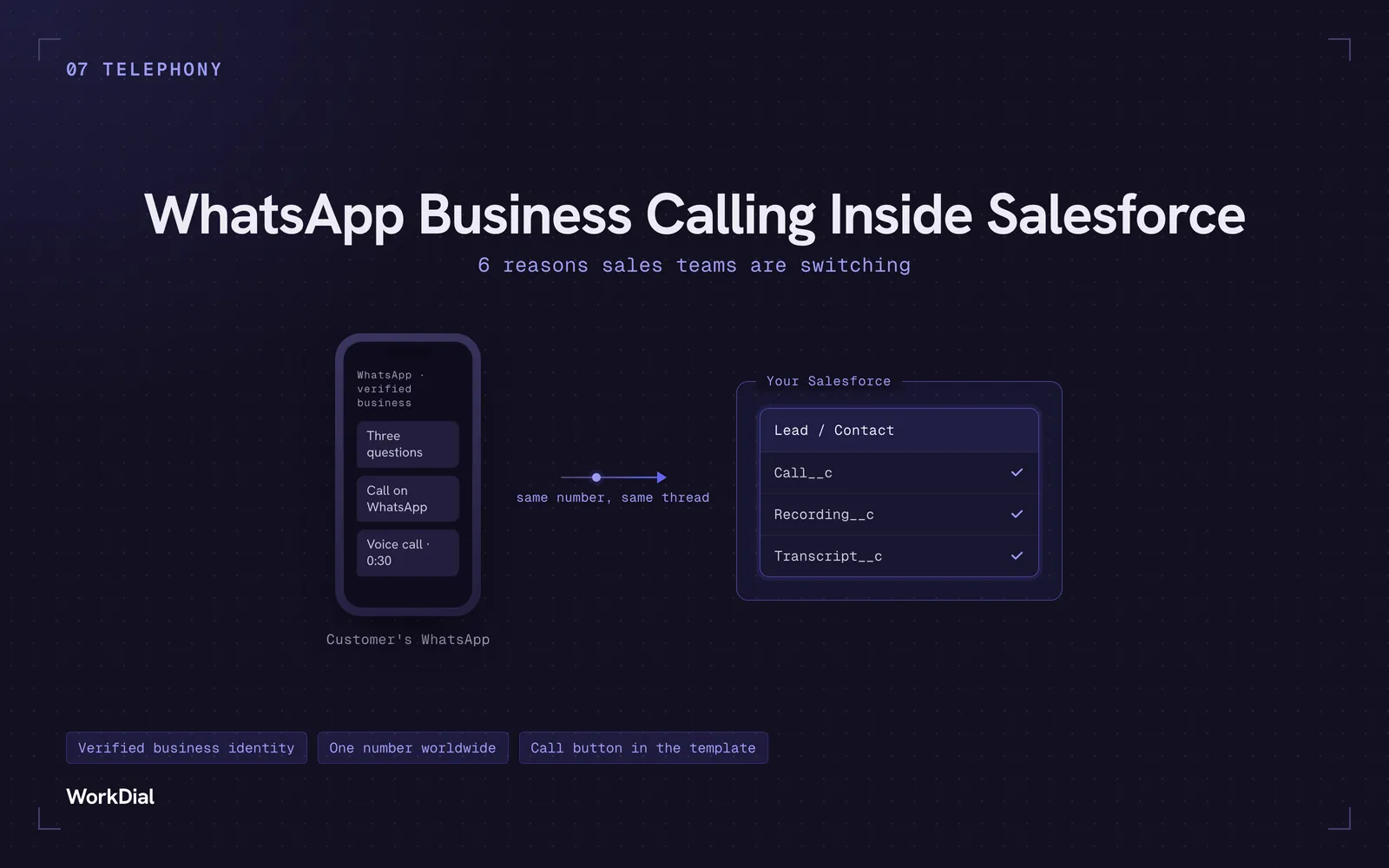
Six reasons sales teams are moving calls onto WhatsApp inside Salesforce: one thread for chat and calls, a verified business identity on every call, one number worldwide, lower cost, a call button in the template, and one record for everything.

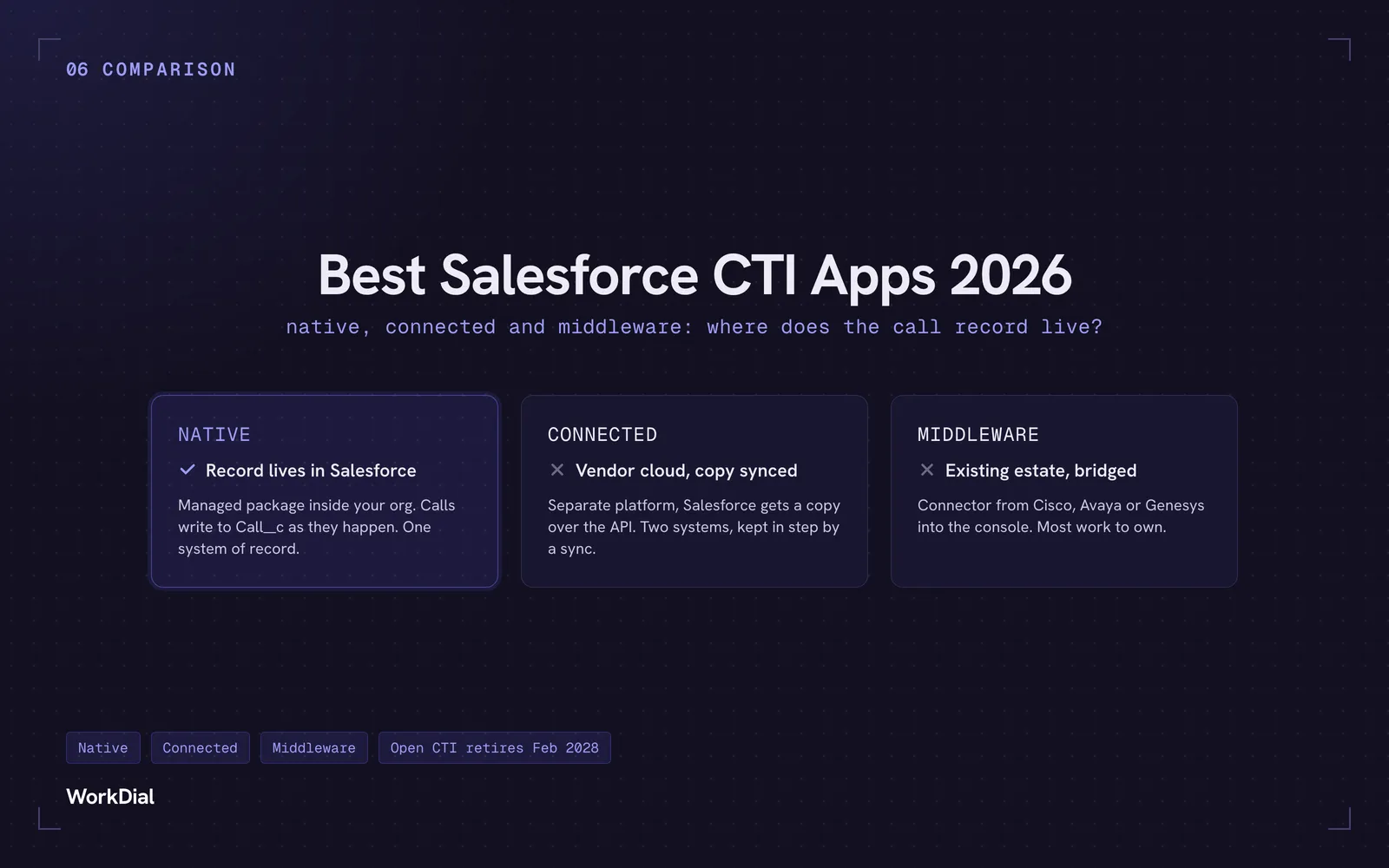
The 9 best Salesforce CTI apps in 2026, compared on one thing: where your call record actually lives. Native, connected and middleware, with real pricing.

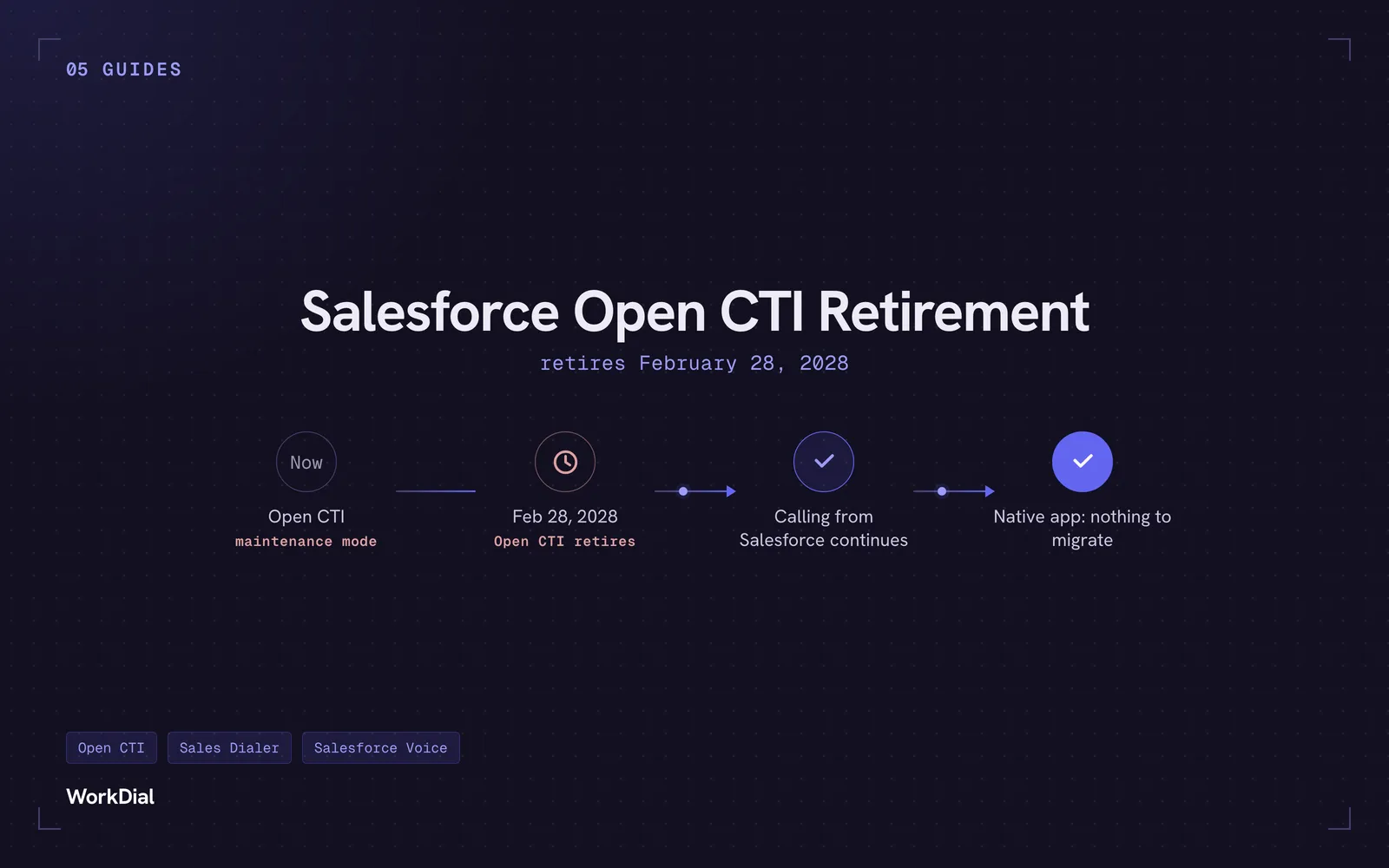
Open CTI retires February 28, 2028. What breaks, what happens to your existing CTI, and how to keep calling in Salesforce without buying new licences.

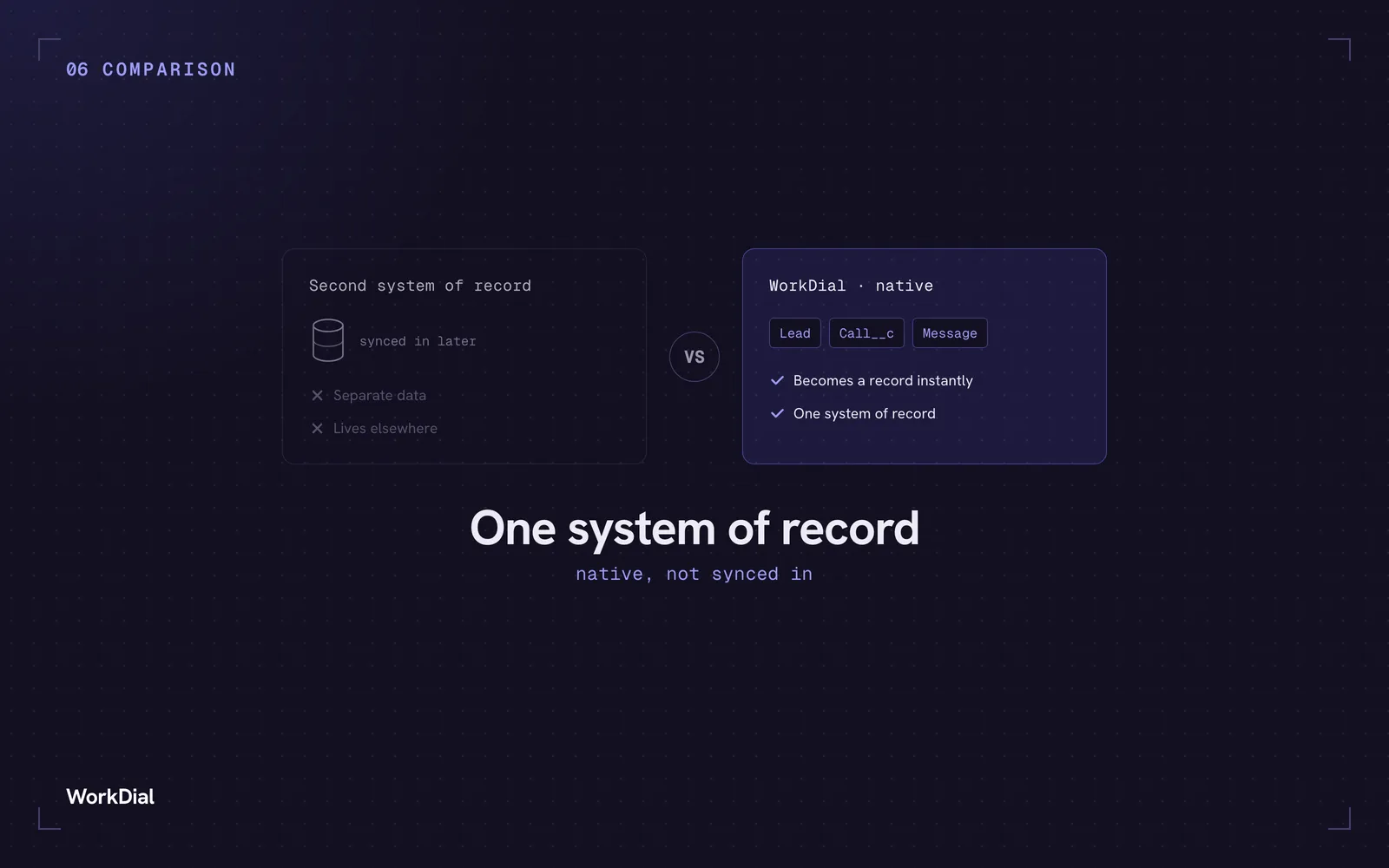
Native Salesforce CTI means the call and the WhatsApp message become Salesforce records the instant they happen, not copies synced in from a second system.

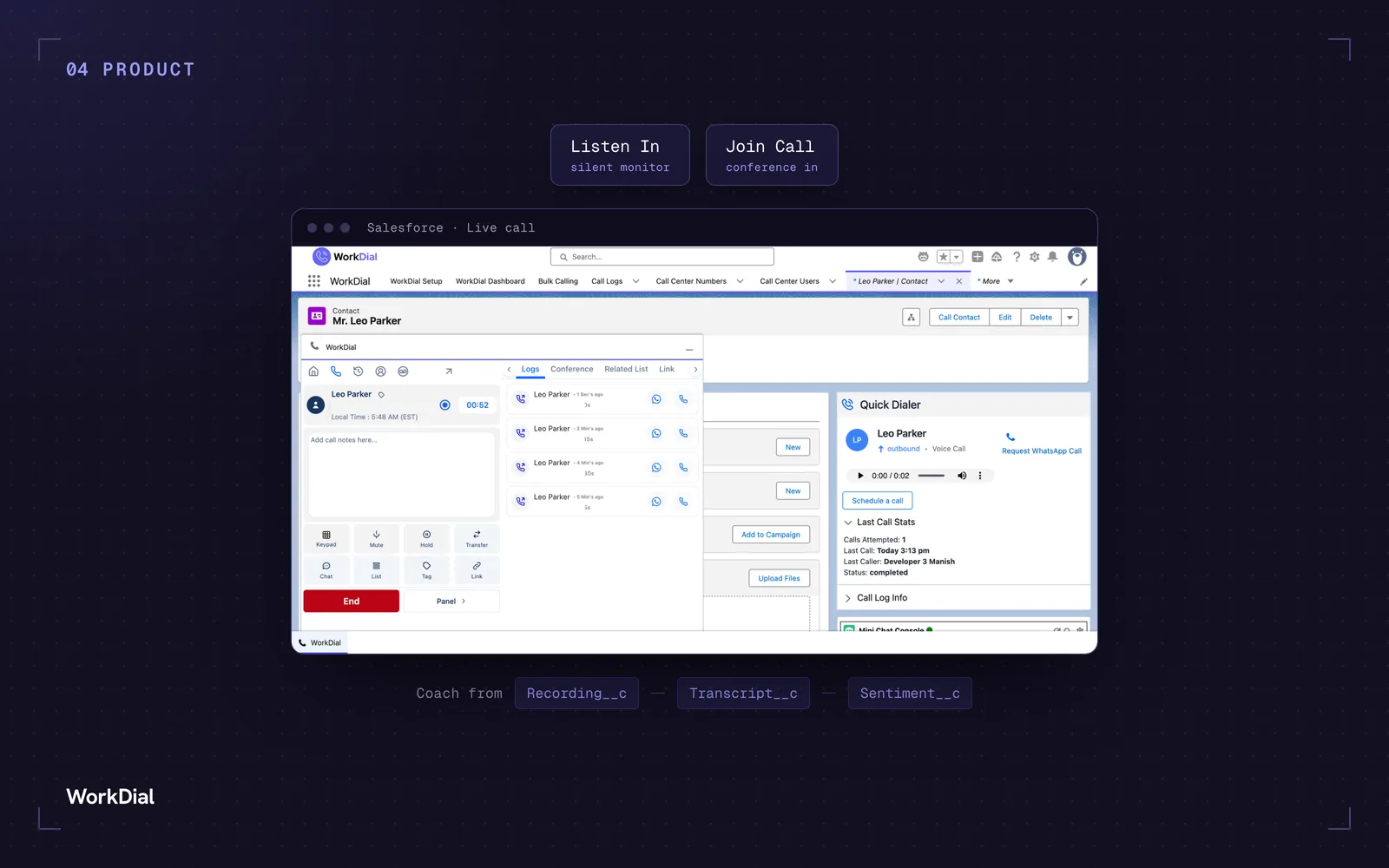
You cannot coach a call you never heard. WorkDial lets a manager Listen In or Join Call live, then coach from the recording and transcript after.

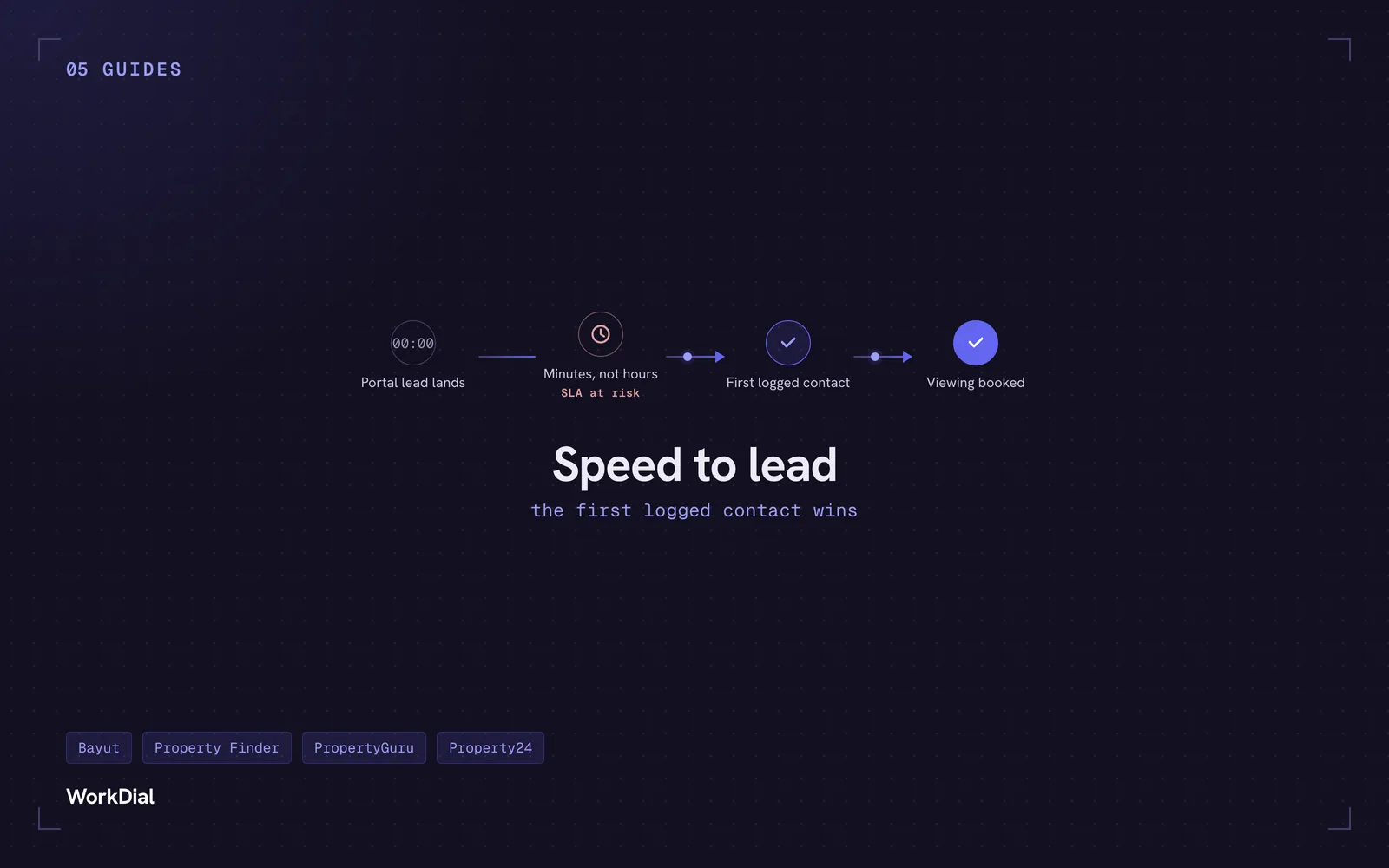
Portal leads are not exclusive: whoever reaches the buyer first, logged, books the viewing. Here is the Salesforce SLA that makes that repeatable.

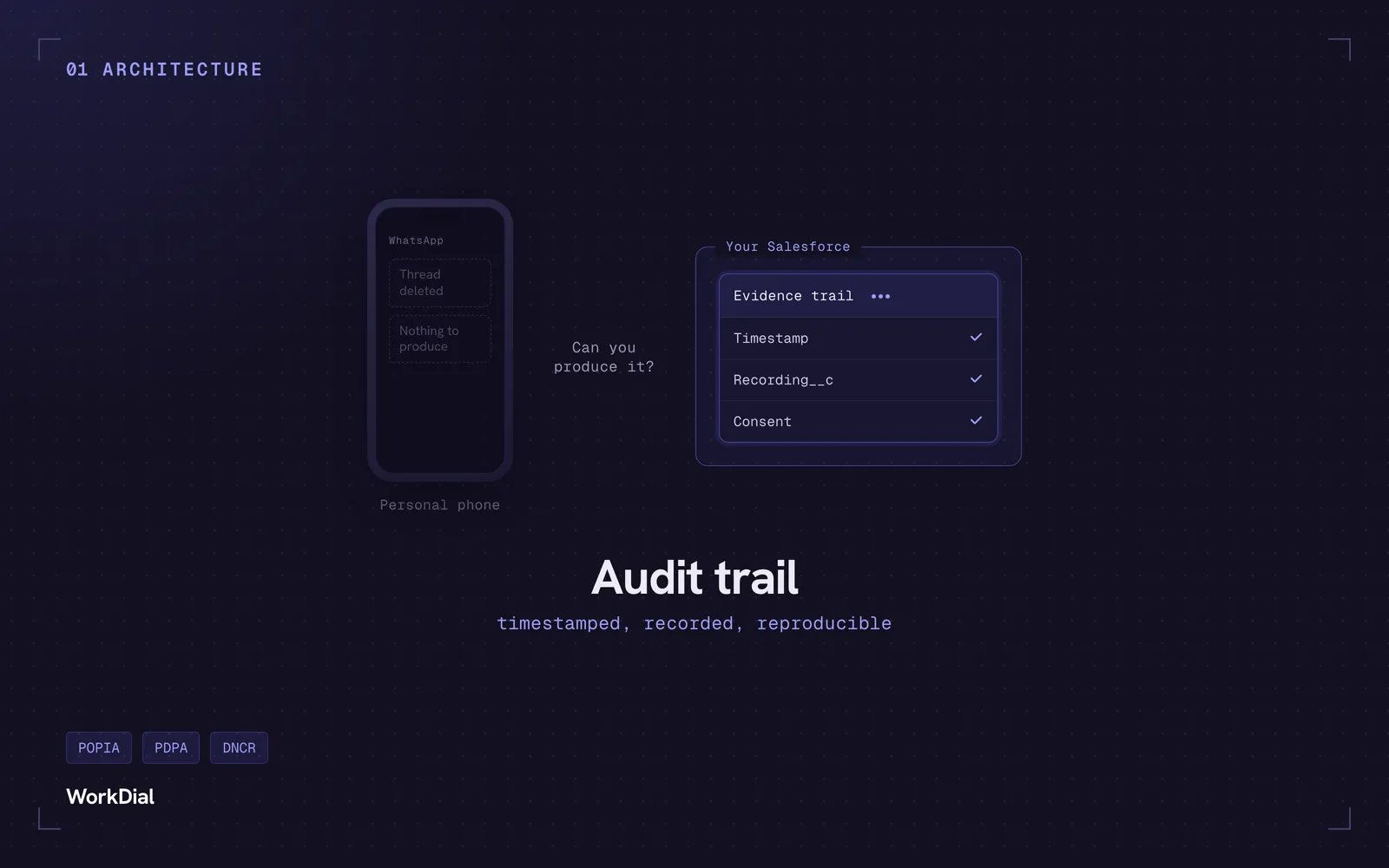
A WhatsApp chat on an agent's personal phone leaves the business when the agent does, and produces nothing if anyone ever asks for the record.

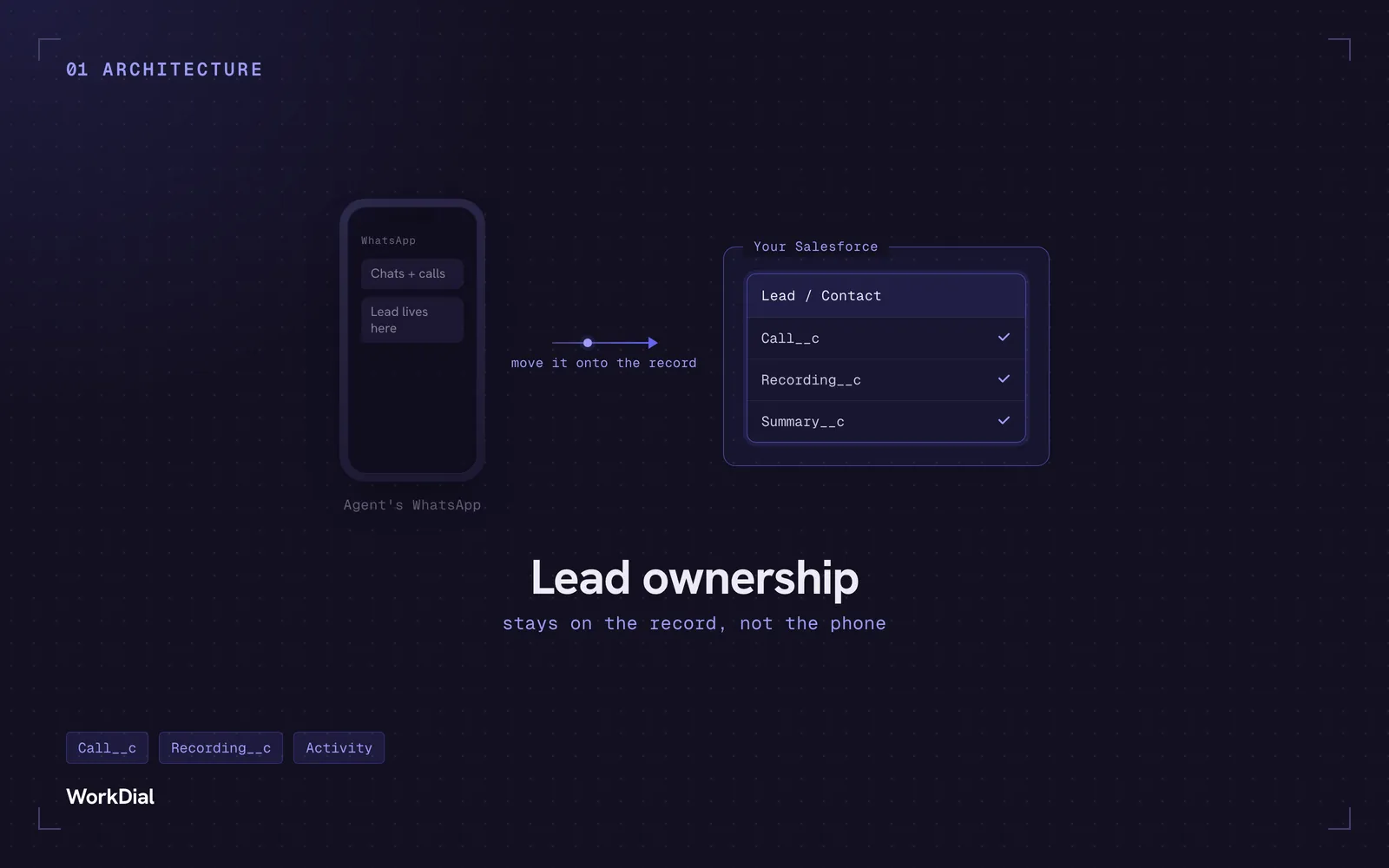
When an agent quits, the leads on their WhatsApp quit with them. The fix: keep messages and calls on the Salesforce record, not a phone.
Before you sign a CTI contract, ask where the recording, the record, and the deletion rights actually sit. A checklist for evaluating any Salesforce dialer vendor on data ownership.
WorkDial uses your own Twilio account for telephony at carrier cost with no markup, so your call minutes and recordings stay billed and stored by you.
Power dialers give reps one call at a time with full control; predictive dialers maximize volume. Here is which fits a Salesforce sales team and why.
Automatic call logging writes every call to Salesforce as a native record the moment it ends, removing manual data entry and closing the gaps it leaves.
To choose a CTI for Salesforce, decide where call data should live. A native CTI writes records to Salesforce objects; a bolt-on syncs them in.
Click-to-dial lets reps dial a Salesforce number in one click. The real question is where the call lands: as a native Salesforce record, or in a vendor's cloud.
Salesforce telephony integration connects a phone system to Salesforce. One model runs telephony inside Salesforce so each call is written directly as a Call__c record.
WorkDial writes call data as Salesforce records, so CTI dashboards run on standard reports without syncs, exports, or a separate analytics tool.
WorkDial pairs computer-telephony integration with AI so call summaries, transcripts, sentiment, and follow-up automation all live as native Salesforce objects.
Service Cloud Voice vs CTI comes down to where routing, call data, recordings, and configuration live. Here is a decision rule for Salesforce orgs.
CTI that runs inside Salesforce writes every call as a native record, makes speed-to-lead measurable, and routes work in Salesforce. Here is how it works.
Keep skill-based routing, queues, and business hours as native Salesforce objects so one calendar and one routing engine govern every call, not a CTI silo.
WhatsApp Business Calling lets verified businesses take voice calls over WhatsApp. WorkDial places them by request and writes each one as a native Call__c.